
How to spot an authentic Nobsa ruana
Nobsa is the World Capital of the Ruana. Before buying yours, learn how a traditional ruana is made, how to recognize one and how to care for it so it lasts for years.
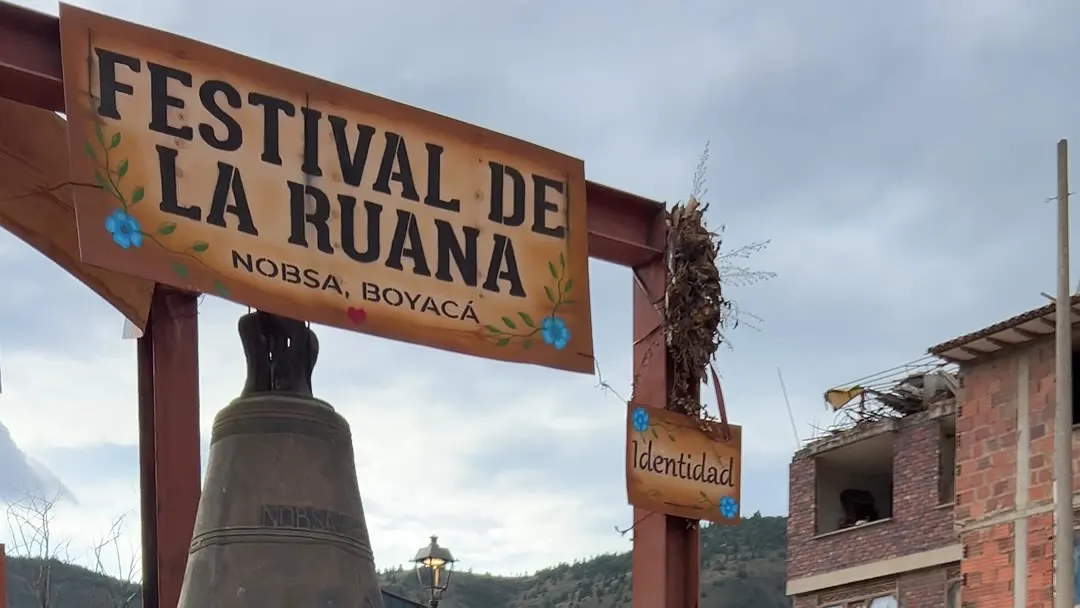
What is a ruana?
The traditional ruana is a square or rectangular wrap with no sleeves and an opening in the center for your head (in Boyacá that opening is called the goyete). An authentic ruana is woven on a loom from 100% virgin sheep’s wool.
How it is made, step by step
Shearing
The wool is cut from the sheep; the quality of the fiber starts here.
Washing
The wool is washed to remove soil, impurities and natural grease.
Carding and spinning
The fibers are separated and spun, then the yarn is twisted for strength.
Dyeing
Many ruanas keep the sheep’s natural color; others are dyed, sometimes with plants.
Warping
Hundreds of threads are set on the loom to form the warp.
Weaving
The artisan weaves with hands and feet on a horizontal loom, so every ruana is unique.
Finishing
The edges are finished and the surface is brushed so it feels soft and warm.
Six signs of an authentic ruana
Material
Ask if it is 100% virgin sheep’s wool. Acrylic or blends can look nice, but they are not the traditional ruana.
Weight and warmth
Virgin wool feels thick and truly warm, made for the cold highlands.
Smell and touch
Natural wool keeps a faint sheep smell and a lively texture, never plastic or shiny.
Weave
Loom weaving leaves small irregularities: the mark of handwork, not a flaw.
Colors
Earthy, natural tones are the Boyacá classics; dyed designs exist too.
Origin
Ask who wove it and whether you can see the workshop or loom; Nobsa artisans are proud to show it.
Ask before you buy
- Is it 100% virgin sheep’s wool?
- Was it woven on a loom here in Nobsa?
- Is the color natural or dyed?
- How should I wash it?
How to care for it
- Washing
- By hand, in cold water with mild soap. Avoid the washing machine and hot water.
- Drying
- Do not wring it; lay it flat in the shade.
- Storage
- Dry, folded and in a ventilated place.
Every traditional ruana is unique because it is made from a natural fiber and woven by hand. Buying it in Nobsa supports the families who keep this craft alive.
Plan your visit to Nobsa
Our team replies mainly in Spanish on WhatsApp. Short messages in English are welcome; we will do our best to help.